Why Hobart's Coastal Air Is Quietly Wrecking Your Paint
Hobart is built around the Derwent estuary, and that coastal air does more to your paint than you'd think.
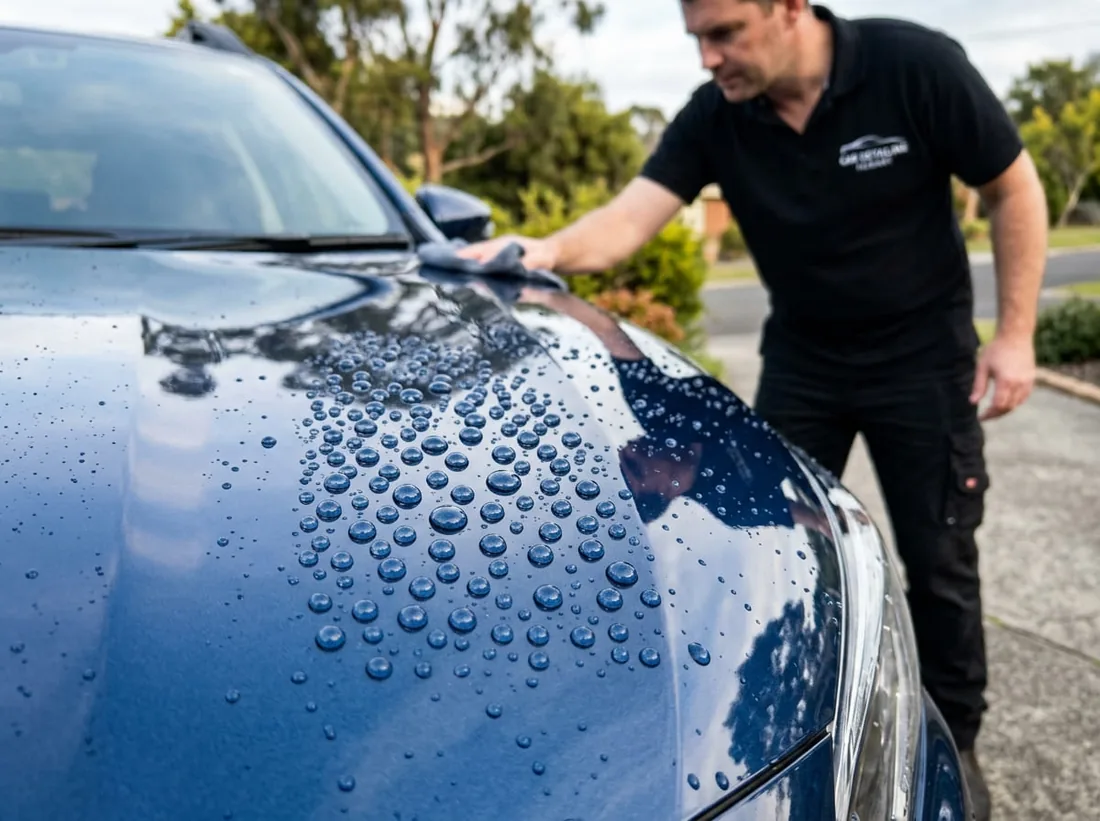
Hobart sits right on the Derwent estuary, and suburbs like Sandy Bay, Battery Point, Lindisfarne, Howrah and Blackmans Bay all live with salt-laden air rolling in off the water most days. It's part of what makes living here great — but it's quietly working against your car's paint and metal every single day it's parked outside.
What Salt Air Actually Does
Airborne salt is hygroscopic — it draws in moisture and holds it against painted and metal surfaces. Over time that accelerates two things: paint oxidation (the dull, chalky look ageing paint gets) and corrosion on exposed metal — wheel arches, exhausts, brake lines and any spot where a stone chip has broken through the clear coat.
It's a slow process, which is exactly why most people don't notice it happening until the damage is done. A car garaged inland in the Derwent Valley can look noticeably better after five years than an identical model that's spent that time parked near the water in Sandy Bay or Howrah.
Who Should Be Most Careful
- Anyone parking within a few hundred metres of the Derwent or the D'Entrecasteaux Channel
- Cars parked outdoors rather than garaged
- Vehicles that don't get washed regularly — salt residue left to sit is the real culprit, not the salt air itself
How to Protect Your Car
The fix isn't complicated, it just needs to be consistent:
- Wash regularly. A Mini Detail every 4–6 weeks rinses salt film off before it has time to do damage.
- Protect the paint. A wax or sealant gives some protection, but a ceramic coating creates a much longer-lasting barrier that sheds salt spray and grime far more effectively.
- Check the usual corrosion spots. Wheel arches, door sills and the underside are worth a look every few months if your car lives near the coast.
If your car spends its life around Sandy Bay, Lindisfarne, Howrah, Margate or anywhere else along the water, a coastal-climate detailing routine will keep it looking — and holding its value — noticeably better than an inland car of the same age.
Quick Questions
Yes — airborne salt travels well inland from the coast, especially with onshore winds, so even cars parked a street or two back from the water are affected, just more gradually.
Every 4–6 weeks is a good baseline for cars parked near the Derwent or the Channel — more often if it's parked directly facing the water.